
2026 World Cup Could Become the Biggest Betting Event in History
The expanded 48-team tournament could create one of the largest betting windows sportsbooks have ever seen.

The 2026 FIFA World Cup is expected to become one of the biggest betting events ever, with analysts estimating more than $50 billion in global wagers across the tournament. The scale is being driven by the expanded World Cup format, broader legal access to sports betting in the U.S., and a global audience that will follow 104 matches over six weeks.
The tournament begins on June 11, 2026, and will be hosted across the United States, Canada, and Mexico. This is the first World Cup with 48 teams and 104 matches, making it the largest edition of the tournament so far.
Stakester has also tracked how the 2026 World Cup is already becoming relevant for social sportsbooks, with platforms beginning to roll out soccer odds, match lines, and live betting-style markets before kickoff. Our earlier coverage on social sportsbooks opening 2026 World Cup markets looks at how Sportzino, Onyx Odds, Fliff, Thrillzz, Rebet, ProphetX, Novig, and Legendz could use the tournament to expand soccer-focused market depth.
For sportsbooks, this could be a major customer acquisition moment. The World Cup brings casual fans, first-time bettors, soccer followers, and international audiences into one long betting window. Unlike the Super Bowl, which concentrates most betting around one game, the World Cup creates daily betting opportunities across group-stage matches, knockout rounds, futures markets, player props, and live betting.
World Cup Betting Could Reach Record Levels
The 2026 World Cup is expected to generate record betting activity due to its scale, schedule, and location.
The expanded format gives bettors more games to wager on than in previous tournaments. With 48 teams and 104 fixtures, The social sportsbooks have more markets to offer and more time to attract activity across match winners, totals, props, futures, and in-play betting.
The North American host location also matters. U.S. time zones make more games accessible to American bettors, especially compared with the 2022 World Cup in Qatar. That could help legal sportsbooks attract more casual users who may not regularly follow international soccer but are drawn in by the size of the event.
The tournament also arrives at a time when legal sports betting is far more established in the U.S. than it was during past World Cups. More states now have legal sportsbook access, and betting apps have become a normal part of the sports media cycle.
Why This Matters
The World Cup could become the biggest test yet for the U.S. sports betting market.
Sportsbooks have already used major U.S. events like the Super Bowl and March Madness to drive betting volume, but the World Cup is different. It is global, longer, and more spread out. That gives operators more time to market offers, retain users, and push live betting features.
For sportsbook operators, this creates a huge opportunity. A six-week event can help brands bring in new players, reactivate existing users, and test how well their platforms handle high betting volume.
For regulators, the same growth creates more pressure. A larger betting event means more attention on responsible gambling tools, marketing practices, consumer protection, and how betting products are promoted to new or casual users.
This matters beyond traditional sportsbooks, too. Social sportsbooks and other event-based platforms are also trying to capture sports-related demand, which may create more debate around what counts as sports betting, promotional gaming, or regulated wagering, and who should oversee it.
Growing Pressure Around Sports Betting
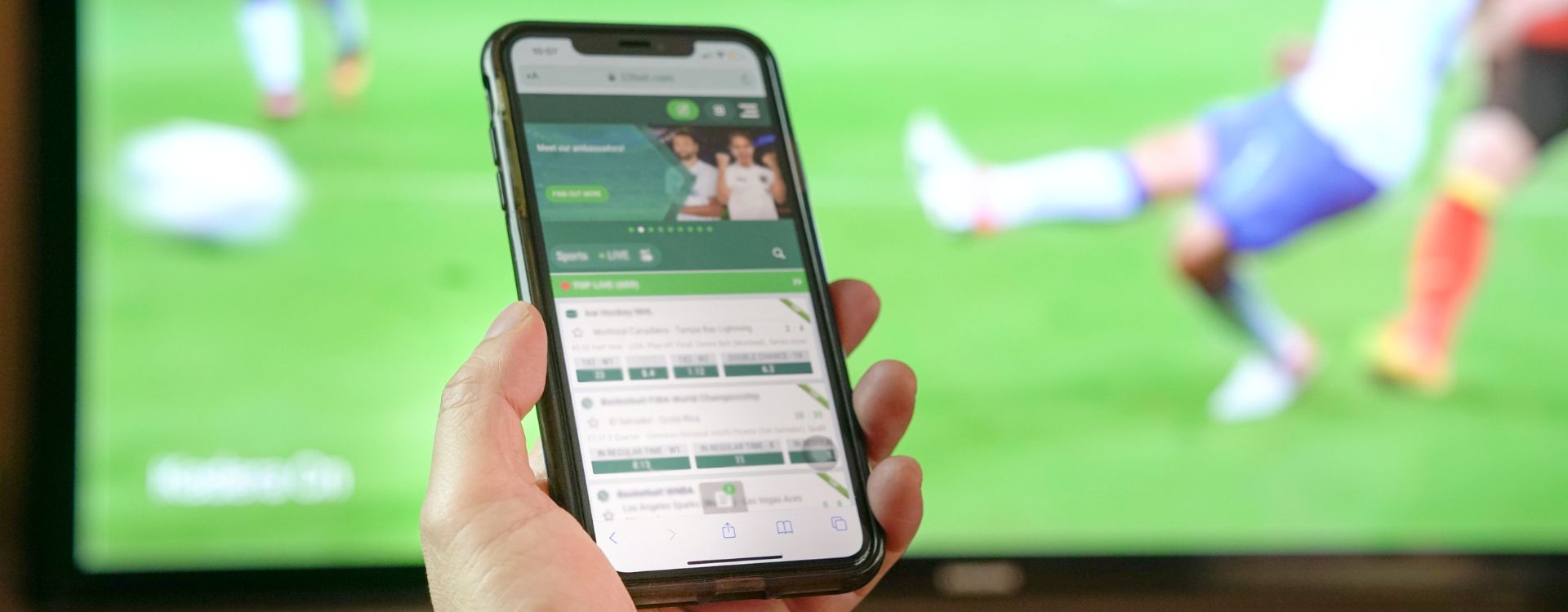
The World Cup betting boom comes as sports wagering faces a more complicated regulatory environment.
Legal sports betting has grown quickly in the U.S., but lawmakers and regulators are now paying closer attention to gambling addiction, advertising, tax rules, and the role of prediction markets. As more users bet through mobile apps, questions around harm prevention and consumer protection are becoming harder to ignore.
The tournament may also bring in many first-time or casual bettors. That could increase the need for clear odds explanations, responsible gambling reminders, deposit controls, and stronger messaging around betting as entertainment rather than income.
For operators, the upside is obvious. The World Cup offers weeks of engagement and a rare chance to reach fans who may not usually bet on U.S. sports. But the risks are also bigger. More betting volume can bring more complaints, more scrutiny, and more pressure to show that responsible gaming systems are working.
What Happens Next
The World Cup starts on June 11, 2026, and runs through July 19. Betting activity is expected to build quickly during the group stage, then intensify through the knockout rounds as the field narrows.
Sportsbooks will likely compete heavily for World Cup users through promotions, futures markets, live betting, and soccer-focused content. Prediction markets may also play a larger role, especially in states where traditional online sports betting remains limited or unavailable.
This could become a defining moment for the next phase of U.S. sports betting. If the tournament delivers the expected betting volume, operators may treat global soccer as a much bigger part of their long-term growth strategy.
What's the clear message on this? The 2026 World Cup is not just a soccer event. It is a major stress test for sportsbooks, regulators, and the wider digital wagering market.
Reference
Stakester Newsletter
Be the first to find out when a sweepstakes casino launches and receive exclusive offers directly in your mailbox.
About the author
Angelica
Angelica writes about iGaming and sports trend topics, sweepstakes regulation, market shifts, and player-focused developments across the online gaming world. Her work blends clear reporting with approachable context, making complex updates easier to understand.