
Florida and Kentucky VGW Lawsuits Show Different Sweepstakes Casino Risks
VGW faces legal pressure in both states, but Kentucky focuses on direct enforcement while Florida-related litigation raises broader questions around payment partners.
Angelica Praxides | August 25, 2026

Key Takeaways
- VGW is facing legal pressure in both Florida and Kentucky, but the cases differ in scope, defendants, and enforcement strategy.
- Kentucky’s lawsuit was filed by the Attorney General and focuses on VGW’s sweepstakes casino model under state gambling and consumer protection laws.
- Florida’s litigation is broader in some areas because payment processors and transaction partners have also been pulled into sweepstakes casino disputes.
What Happened?
VGW is facing legal challenges in Florida and Kentucky, but the two states are not taking identical approaches.
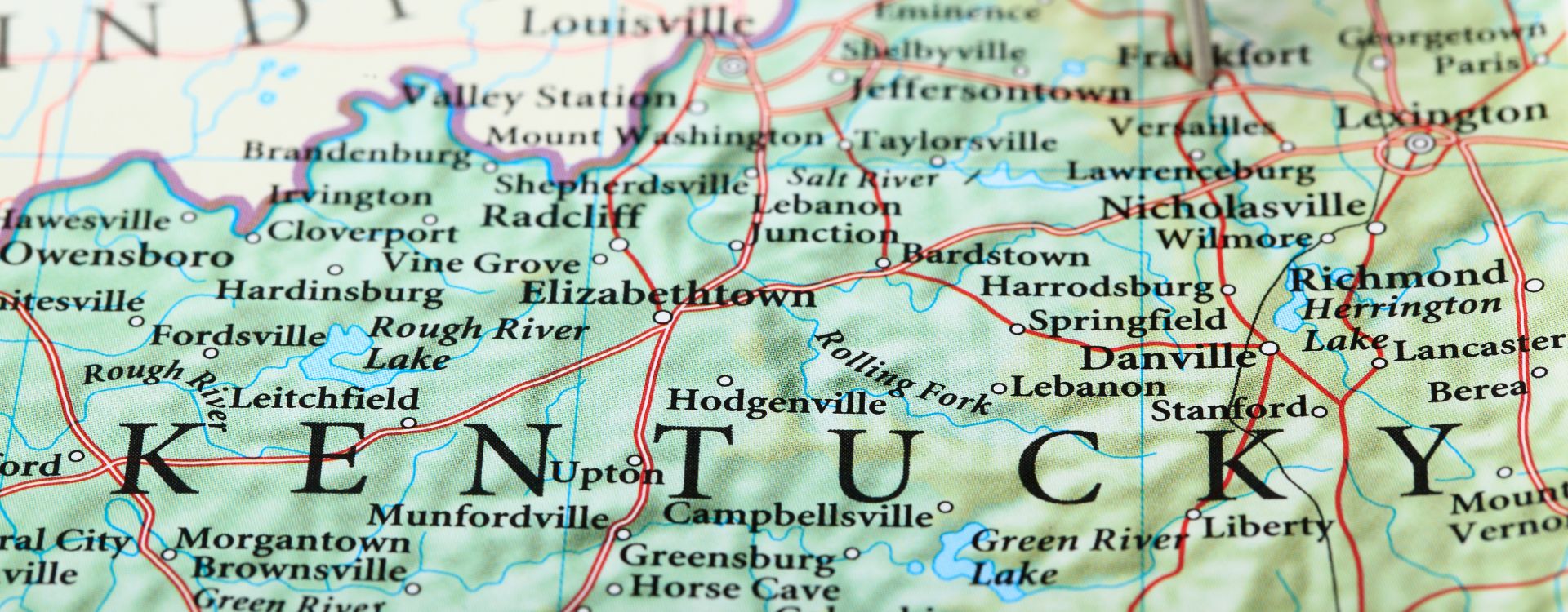
In Kentucky, Attorney General Russell Coleman filed a lawsuit against VGW and its affiliates on June 17, 2026. The lawsuit alleges that VGW operates unlawful sweepstakes casino websites using two types of virtual gambling chips. The complaint names VGW brands including Chumba Casino, LuckyLand Slots, and Global Poker.
Florida litigation has focused on VGW’s sweepstakes casino operations as well, but one major difference is the role of payment companies. In Florida-related sweepstakes cases, payment processors and transaction partners have been named alongside casino operators, raising questions about whether service providers can face liability for allegedly facilitating gambling transactions.
The comparison matters because both cases involve sweepstakes casino legality, but they test different pressure points in the business model.
Why This Matters
The Florida and Kentucky cases show that sweepstakes casino litigation is not moving through one single legal pathway.
Kentucky’s case is a state-led enforcement action. That gives the lawsuit a stronger public enforcement angle because the Attorney General is asking a court to apply Kentucky law directly against VGW.
Florida’s litigation is important for a different reason. By involving payment-related defendants in some claims, the cases raise broader questions about whether companies supporting sweepstakes casino transactions can also be pulled into legal disputes.
For operators, the message is clear: legal risk is no longer limited to the casino brand itself. The structure of payments, user terms, redemptions, and business partners may all become part of future lawsuits.
Regulatory Background
VGW operates several major sweepstakes casino and poker brands using a dual-currency model. In general, players use one type of virtual currency for social gameplay and another promotional currency that may be redeemable for prizes after meeting platform rules.
Kentucky’s lawsuit alleges that VGW’s platforms operate unlawful sweepstakes casino websites using two different types of virtual gambling chips. The Attorney General’s announcement said the state filed the case to defend Kentucky law against companies it views as offering illegal gambling products.
Florida-related VGW litigation has included arguments over whether VGW’s terms of service, forum-selection clauses, and payment structures affect where and how lawsuits can proceed. In one Florida-linked case, court records show disputes over whether terms tied to alleged illegal gambling should be enforced.
Regulatory Risk Meter
| Factor | Assessment |
|---|---|
| Enforcement Risk | High |
| Litigation Risk | High |
| Operator Impact | High |
| Player Impact | Medium |
Industry Impact
The Florida and Kentucky cases show how sweepstakes casino lawsuits are expanding beyond one basic question of legality.
Kentucky is testing whether a state can use gambling and consumer protection laws to challenge the dual-currency model directly. Florida-related litigation shows another risk: companies that process or support transactions may also become part of the legal fight.
That matters for the wider sweepstakes industry because operators depend on more than game platforms. Payment processors, wallet providers, marketing partners, affiliates, and technology vendors all sit around the model.
If courts allow claims to move beyond operators and toward supporting businesses, sweepstakes casinos may face greater pressure from partners that do not want legal exposure. That could affect payment availability, transaction routing, user verification, and future platform relationships.
Compliance Questions Raised
The VGW lawsuits raise several compliance questions:
- Will courts treat dual-currency sweepstakes casino models as unlawful gambling under state law?
- Can payment processors or transaction partners face liability for supporting sweepstakes casino activity?
- How much protection do terms of service, forum-selection clauses, and arbitration provisions provide?
- Will more attorneys general follow Kentucky’s litigation-first approach?
- Could Florida-style claims make vendors and payment partners more cautious?
- How should affiliates classify states where lawsuits are pending but no final ruling has been issued?
These questions matter because the lawsuits are not only testing VGW’s model. They are testing how far liability may extend across the sweepstakes casino ecosystem.
What Happens Next?
VGW is expected to continue defending the lawsuits and challenging claims against its sweepstakes casino model.
In Kentucky, the Attorney General’s case may proceed through motions over state gambling law, consumer protection claims, and potential remedies.
In Florida-related litigation, courts may continue reviewing whether claims can proceed against operators, payment companies, or other supporting defendants.
Operators, vendors, and affiliates should monitor both states closely because each case could influence how future lawsuits are framed.
Stakester Analysis
Florida and Kentucky show two different legal pressure points for the sweepstakes casino sector.
Kentucky is focused on direct state enforcement against VGW’s dual-currency model. Florida-related litigation is testing whether the legal risk can extend beyond the operator to payment and transaction partners.
That distinction matters. If Kentucky succeeds, more states may pursue direct lawsuits against sweepstakes operators. If Florida-style claims gain traction, the industry could face pressure from the service providers that make payments, redemptions, and account funding possible.
For sweepstakes casinos, the risk is no longer only whether one state bans the model. It is whether courts begin treating the entire operating chain as part of the dispute.
Reference
Stakester Newsletter
Be the first to find out when a sweepstakes casino launches and receive exclusive offers directly in your mailbox.
About the author
Angelica
Angelica writes about iGaming and sports trend topics, sweepstakes regulation, market shifts, and player-focused developments across the online gaming world. Her work blends clear reporting with approachable context, making complex updates easier to understand.