
Multi-Currency Models Emerge as the Next Big Test for Sweepstakes Casinos
Maryland’s twin bills banning casinos adopted the term “multiple currency”- this is another creative hack for operators,or a win-win solution?

It’s only the first week of February, but the sweepstakes casino industry have witnessed a surged in bills and orders banning or regulating its prized “dual-currency” model.
Indiana, Mississippi, Florida, Maine, Virginia, and Maryland are some of the states which introduced bills targeting the sweeps model.
While they share the same objective, they differ in the language used. Maryland’s twin bills, SB112 and HB295, offer a slightly different definition: instead of targeting “dual-currency”, these describe the platforms as systems that “utilizes multiple currency systems”.
A Quick Look at How Sweepstakes Currency Language Is Changing
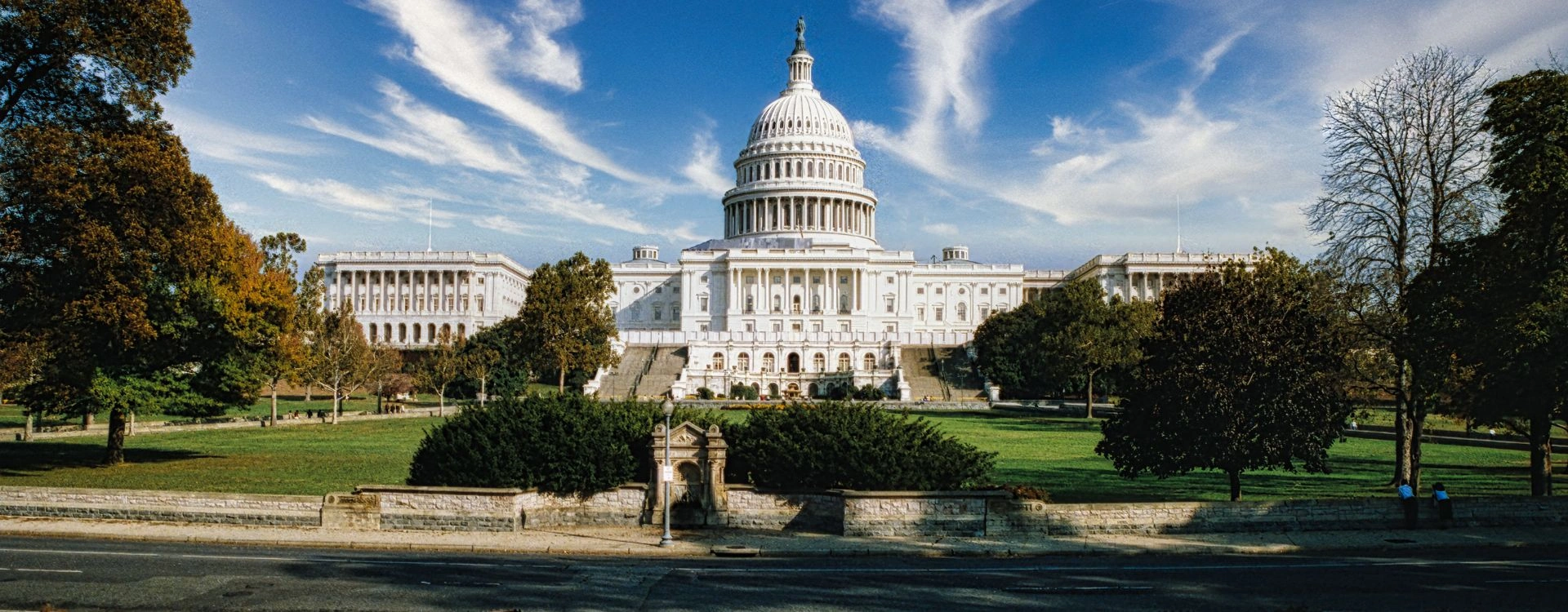
Maryland’s use of the “multi-currency” isn’t the first in the industry. Last year, California’s AB831 and New York’s S5935A also experimented with this wording, which led to the approval of the laws.
The dual-currency or even multi-currency setups, according to these regulators, circumvent existing gambling laws. By passing these laws, states believed that they were closing these legal loopholes for casino-style games like slots and live casino, and eventually promoting consumer protection.
Other states followed, including Nevada, New Jersey, and Connecticut.
Indiana Amends Its Bill to Include “Multi-Currency”
Indiana’s HB1052 initially adopted the original wording, but also decided to change it during an amendment process made by the House Public Policy Committee.
In the latest version of its bill, it now targets gaming sites that “utilizes a dual-currency or multi-currency system of payments”, which players can swap for cash or any reward.
What Are the Legal Implications in the New Wording?
The use of “multiple currency” is seen as a blow to operators as it strengthens enforcement and regulations. Now, Maryland and Indiana have broadened the definitions for illegal considerations and prizes, making it difficult for sweepstakes casino operators to claim exemption under federal sweeps laws.
While these gaming sites remain accessible in more than 40 states via strict compliance, the trend compromises the sites’ nationwide availability, possibly pushing smaller operators to change their business models or shut down.
REFERENCES
-
Indiana’s HB1052
Stakester Newsletter
Be the first to find out when a sweepstakes casino launches and receive exclusive offers directly in your mailbox.
About the author
Owen
Part slots enthusiast, part industry expert, Owen has spent more than a decade documenting the evolution of iGaming. Now writing for Stakester, he bridges the gap between breaking news and the technical innovations in design and UX that make modern gaming so immersive.